
MEL → SYD · FCL
B/L #EFX-48291
PER → SIN · LCL
ETD 04.08 / ETA 19.08
BNE → AKL · Air
Manifest reviewed by J. Thompson
ADL → LAX · FCL
HS Code 8471.30
MEL → SYD · FCL
B/L #EFX-48291
PER → SIN · LCL
ETD 04.08 / ETA 19.08
Australian Freight & Logistics Information
Cargo Forwarders Australia
Your Guide to Cargo Forwarders Australia and Modern Freight Solutions
Practical information about freight forwarding, shipping processes, and logistics operations to help businesses better understand how cargo moves across Australia and worldwide.
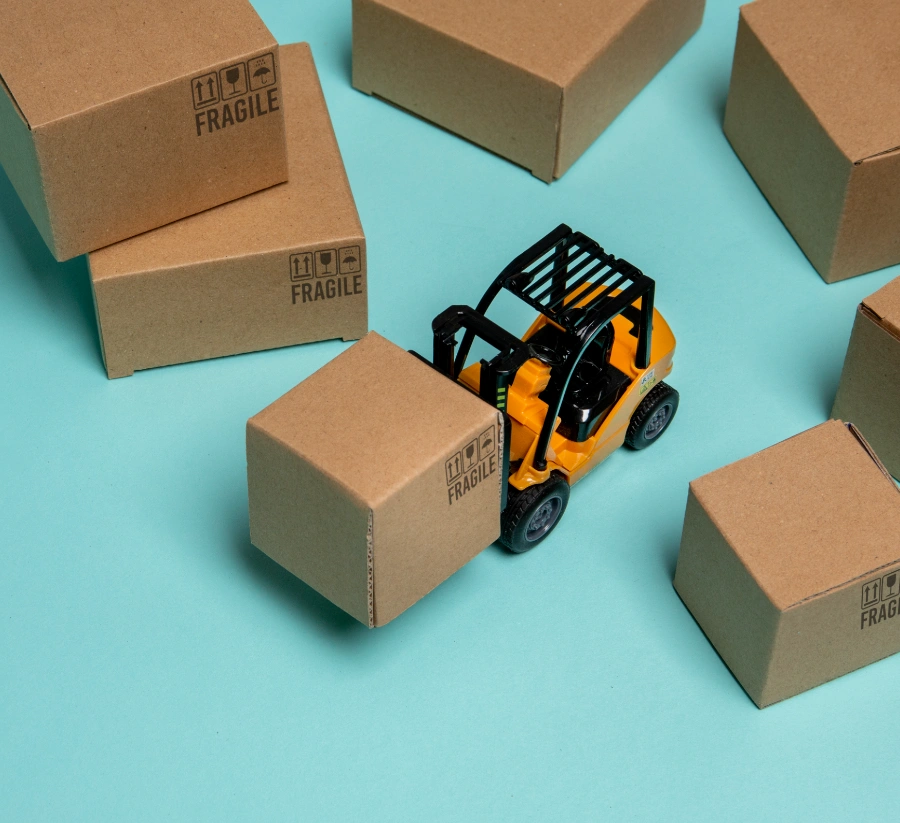
Domestic Freight Australia: How Cargo Moves Across Australian States

Jack Thomson
Jack shares practical information about cargo forwarding, shipping processes, and logistics operations across Australia.
Australia’s economy relies on the efficient movement of goods between cities, regional communities, industrial centres, ports, airports, warehouses, and distribution facilities. From retail inventory and manufacturing equipment to agricultural products and construction materials, businesses depend on domestic freight networks to keep supply chains operating smoothly.
Domestic freight Australia refers to the transportation of goods within Australia using road, rail, air, and multimodal logistics networks. Whether cargo is moving between Perth and Sydney, Brisbane and Melbourne, or regional towns and metropolitan centres, domestic freight plays a vital role in supporting business operations and economic activity.
Understanding how domestic freight works helps businesses select suitable transportation solutions and improve supply chain planning.
What Is Domestic Freight?
Domestic freight is the movement of goods within a single country.
In Australia, domestic freight supports transportation between:
- States and territories
- Capital cities
- Regional centres
- Industrial zones
- Warehouses
- Distribution hubs
- Retail locations
Unlike international freight, domestic freight does not involve border crossings, international customs procedures, or overseas transportation.
However, Australia’s large geographic size creates unique logistics challenges that require efficient transportation networks.
Why Domestic Freight Is Important
Australia covers millions of square kilometres and includes some of the longest freight corridors in the world.
Businesses rely on domestic transportation to:
- Replenish inventory
- Distribute products
- Support manufacturing operations
- Move agricultural goods
- Supply construction projects
- Fulfil customer orders
Without effective domestic freight networks, supply chains would struggle to meet demand across the country.
How Domestic Freight Works
The domestic freight process involves several connected stages.
1. Shipment Planning
The process begins by evaluating transportation requirements.
Important considerations include:
- Cargo type
- Weight
- Dimensions
- Delivery destination
- Transit time requirements
- Handling requirements
These factors help determine the most suitable transportation method.
2. Transportation Selection
Domestic freight can involve several transportation modes.
The selected option depends on cargo characteristics, delivery timelines, and distribution requirements.
Road Freight
Road transportation is the most common domestic freight method in Australia.
It provides flexibility and extensive coverage across metropolitan and regional locations.
Road freight is commonly used for:
- Retail distribution
- Commercial shipments
- Manufacturing supplies
- Consumer goods
- Final-mile delivery
Heavy vehicles connect businesses across major freight corridors throughout Australia.
Rail Freight
Rail transportation is widely used for long-distance freight movement.
It is particularly effective for:
- Bulk commodities
- Industrial materials
- Agricultural products
- Containerized cargo
Rail freight supports major transportation routes linking Australian states and industrial centres.
Air Freight
Domestic air freight provides rapid transportation between major cities and regional locations.
Businesses often use air freight for:
- Urgent deliveries
- Medical supplies
- High-value products
- Time-sensitive cargo
Major airports help connect domestic supply chains across Australia.
Multimodal Freight
Some shipments use multiple transportation methods.
For example:
- Rail transport to a distribution centre
- Road freight for final delivery
Combining transportation modes can improve efficiency and network coverage.
Australia’s Domestic Freight Network
Australia’s freight system includes extensive infrastructure connecting businesses nationwide.
Key components include:
- Highways
- Rail corridors
- Airports
- Freight terminals
- Distribution centres
- Warehousing facilities
These assets support cargo movement between production locations and end users.
Major Domestic Freight Corridors
Several major routes support freight transportation across Australia.
Sydney to Melbourne
One of Australia’s busiest freight corridors, supporting retail, manufacturing, and distribution activities.
Melbourne to Brisbane
An important route connecting southeastern and northeastern markets.
Perth to Adelaide
A significant interstate freight corridor supporting Western Australian businesses.
Brisbane to Cairns
Supports transportation throughout Queensland and regional communities.
Adelaide to Melbourne
A key route connecting South Australian and Victorian supply chains.
Interstate Freight Transportation
Interstate freight refers to cargo movement between Australian states and territories.
Businesses frequently transport goods between:
- Western Australia
- South Australia
- Victoria
- New South Wales
- Queensland
- Tasmania
- Northern Territory
- Australian Capital Territory
Interstate logistics often require coordination between transportation providers, warehouses, and distribution networks.
Domestic Freight Documentation
Although domestic freight generally requires less documentation than international shipping, certain records remain important.
Common documents may include:
Consignment Notes
Used to identify shipment details and transportation instructions.
Delivery Documentation
Records cargo receipt and delivery confirmation.
Inventory Records
Support warehouse and distribution management.
Transport Schedules
Help coordinate logistics operations and shipment planning.
Warehousing and Distribution
Domestic freight often works alongside warehousing services.
Warehouses support:
- Inventory storage
- Order fulfilment
- Product handling
- Distribution planning
Distribution centres help businesses move products efficiently to retailers, commercial customers, and consumers.
Last-Mile Delivery
The final stage of domestic freight is often referred to as last-mile delivery.
This involves transporting goods from a warehouse or distribution centre to the final recipient.
Last-mile logistics is important because it directly affects customer experience and delivery performance.
Common examples include:
- Residential deliveries
- Retail store replenishment
- Commercial deliveries
- Regional freight distribution
Industries That Depend on Domestic Freight
Many industries rely heavily on domestic transportation networks.
Retail
Retail businesses depend on freight systems to move inventory between suppliers, warehouses, and stores.
Manufacturing
Manufacturers require transportation for raw materials, components, and finished goods.
Agriculture
Agricultural producers transport products to processors, exporters, wholesalers, and retailers.
Construction
Construction projects rely on domestic freight for equipment, machinery, and building materials.
Healthcare
Healthcare providers require dependable transportation for medical supplies and equipment.
Benefits of Domestic Freight Australia
Businesses use domestic freight services because they support efficient product movement across the country.
National Coverage
Transportation networks connect metropolitan areas, regional communities, and remote locations.
Flexible Transportation Options
Businesses can choose between road, rail, air, or multimodal freight solutions.
Improved Supply Chain Efficiency
Reliable transportation helps businesses maintain inventory levels and meet customer demand.
Faster Product Distribution
Effective freight planning improves delivery performance and operational efficiency.
Challenges in Domestic Freight
Domestic logistics operations can face several challenges.
Long Distances
Australia’s size creates significant transportation requirements.
Regional Access
Some remote areas require specialized transportation planning.
Infrastructure Demands
Freight networks depend on roads, railways, ports, and airports operating efficiently.
Seasonal Factors
Weather conditions and operational disruptions can affect transportation schedules.
Domestic Freight and Supply Chain Management
Domestic transportation is a key component of supply chain management.
It connects:
- Suppliers
- Manufacturers
- Warehouses
- Distributors
- Retailers
- Customers
Efficient freight movement supports inventory management, production planning, and customer service performance.
Frequently Asked Questions
What is domestic freight?
Domestic freight refers to the transportation of goods within Australia using road, rail, air, or multimodal transportation networks.
What is interstate freight?
Interstate freight involves moving cargo between Australian states and territories.
What is the most common domestic freight method?
Road freight is the most widely used transportation method because it provides flexible access across Australia.
Can domestic freight use multiple transport methods?
Yes. Many shipments use multimodal transportation that combines road, rail, air, or other freight services.
Conclusion
Domestic freight Australia plays a critical role in supporting businesses, supply chains, and economic activity across the country.
From interstate transportation and warehousing to last-mile delivery and regional distribution, domestic freight networks help move goods efficiently between locations.
Understanding how domestic freight works allows businesses to choose suitable transportation solutions and improve overall logistics performance.
Related
Related Articles
More guides on freight, shipping, and logistics operations.
Freight Guides
